
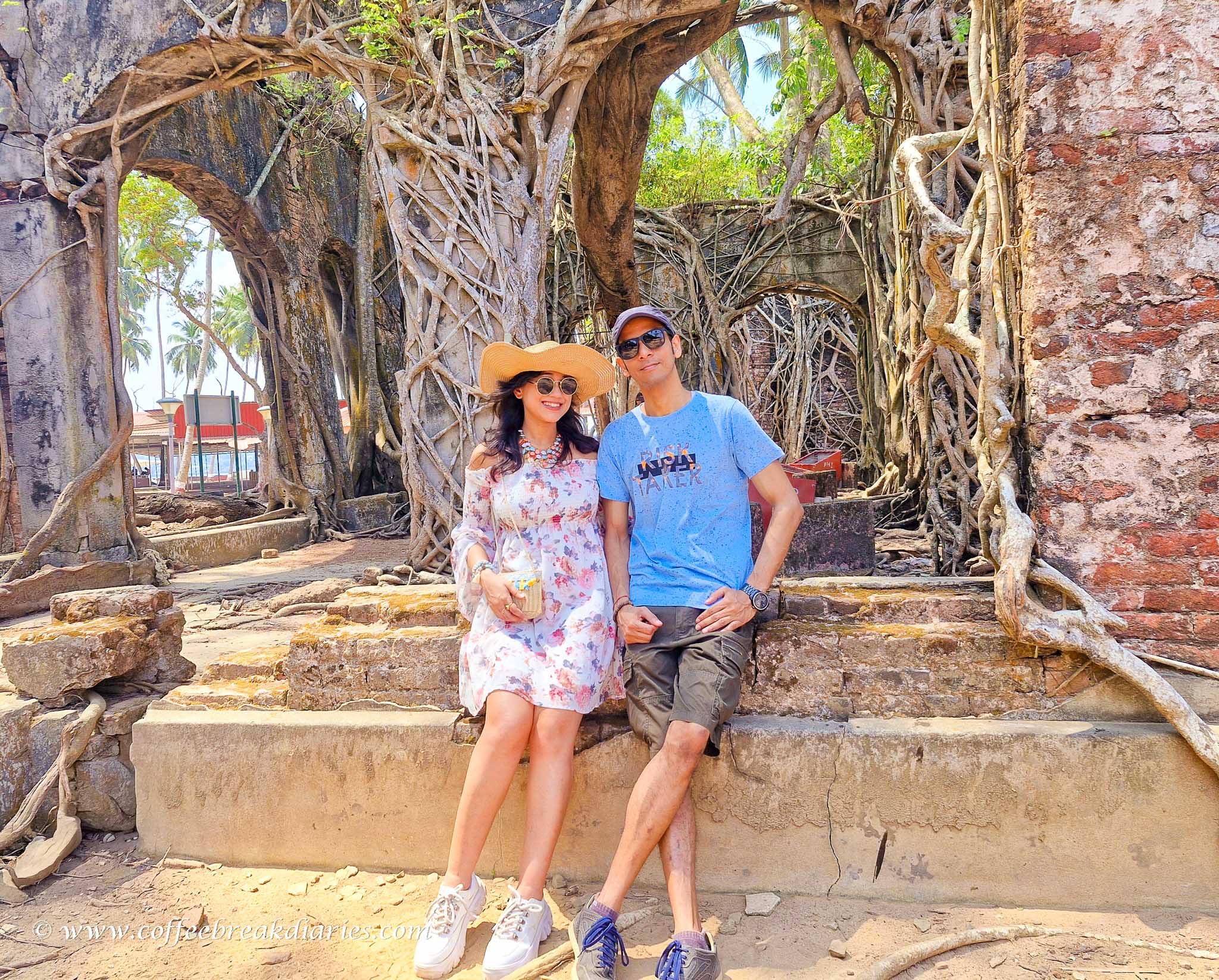
There are places that do not announce themselves with spectacle but, instead, unfurl quietly—like a page turning itself in the wind. Ross Island, a short boat ride from Port Blair, is one such place. Once the ostentatious administrative seat of the British in the Andaman Islands, it now stands like a strangely beautiful ruin—half reclaimed by nature, half preserved by memory.
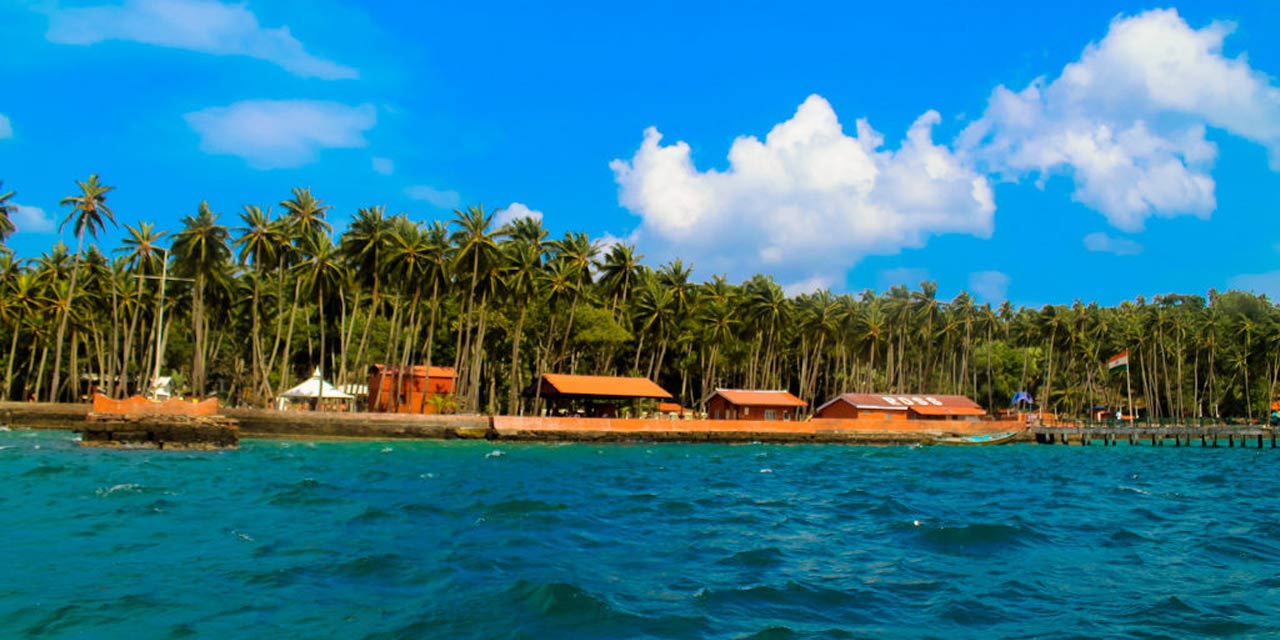
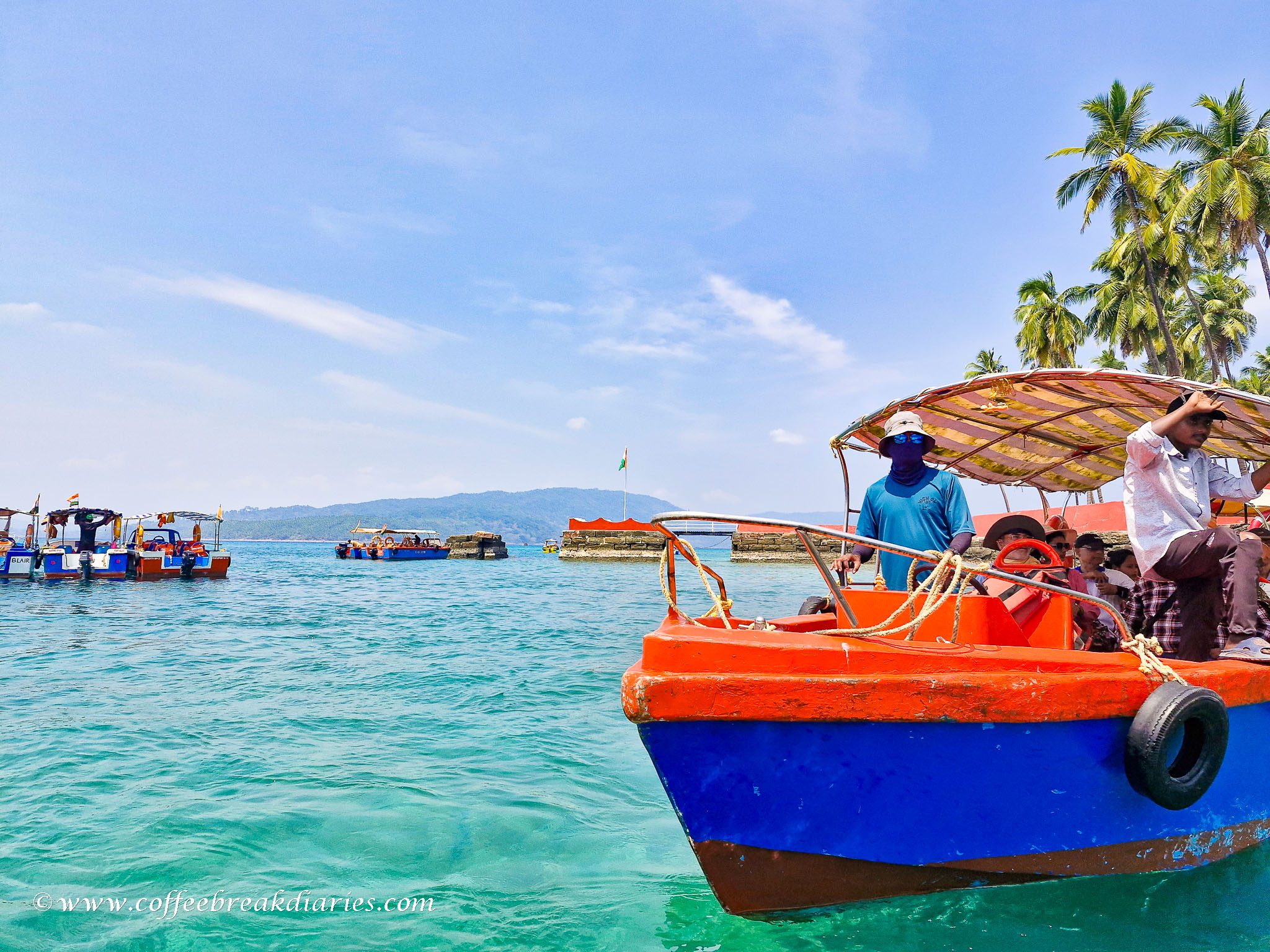
We reached the island by 8:30 am. Arriving in the early morning is essential. The sea at that hour is a gentle, translucent jade, and the air, still cool from the night, carries that unmistakable smell of coral dust and ocean spray. As the island rose into view—coconut fronds trembling, crumbling archways catching the sun—we felt a faint, inexplicable sense of returning somewhere we’ve never been.
The Deer of Ross Island: Gentle Guardians of the Ruins
The first greeters are always the deer.
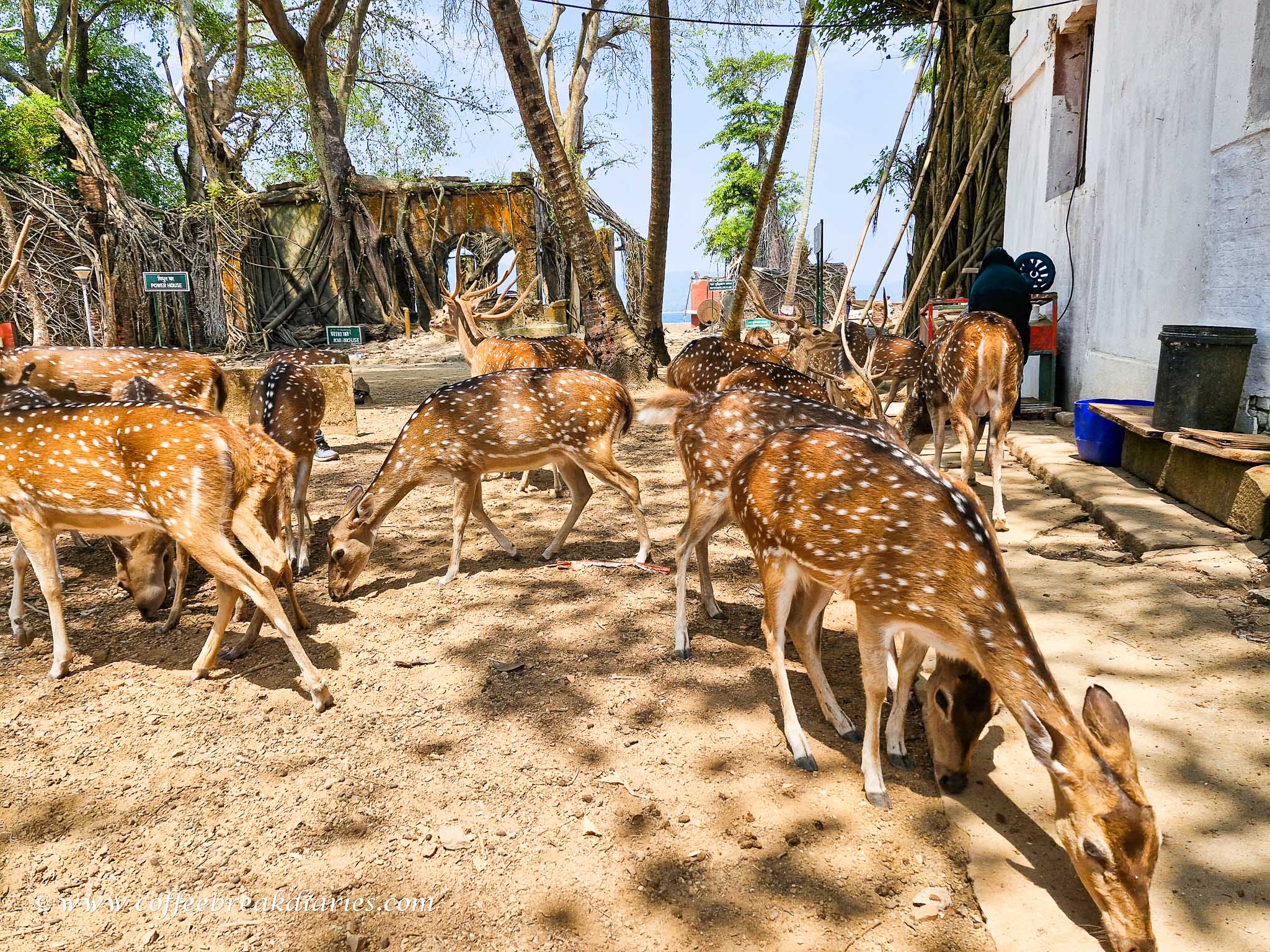
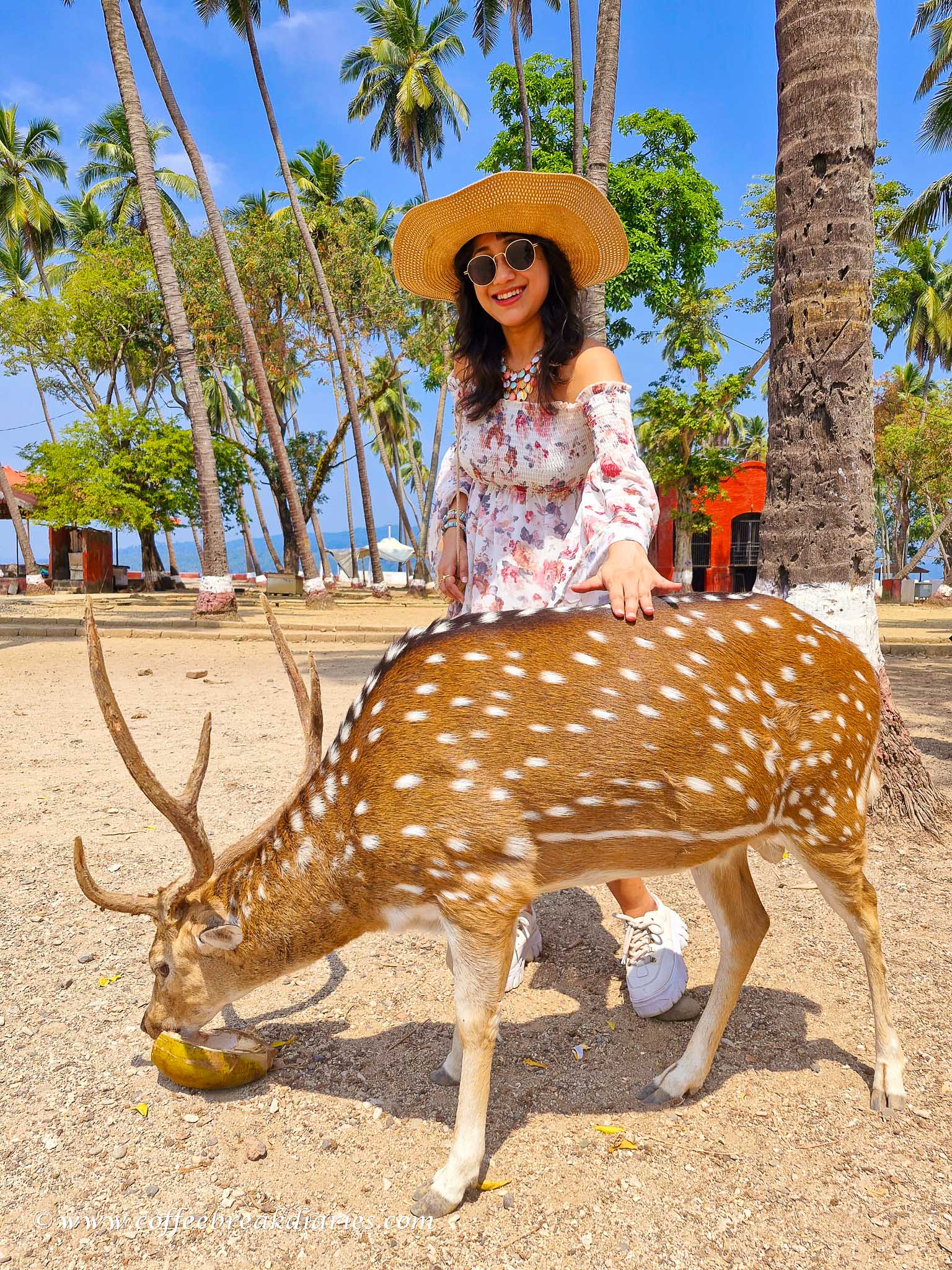
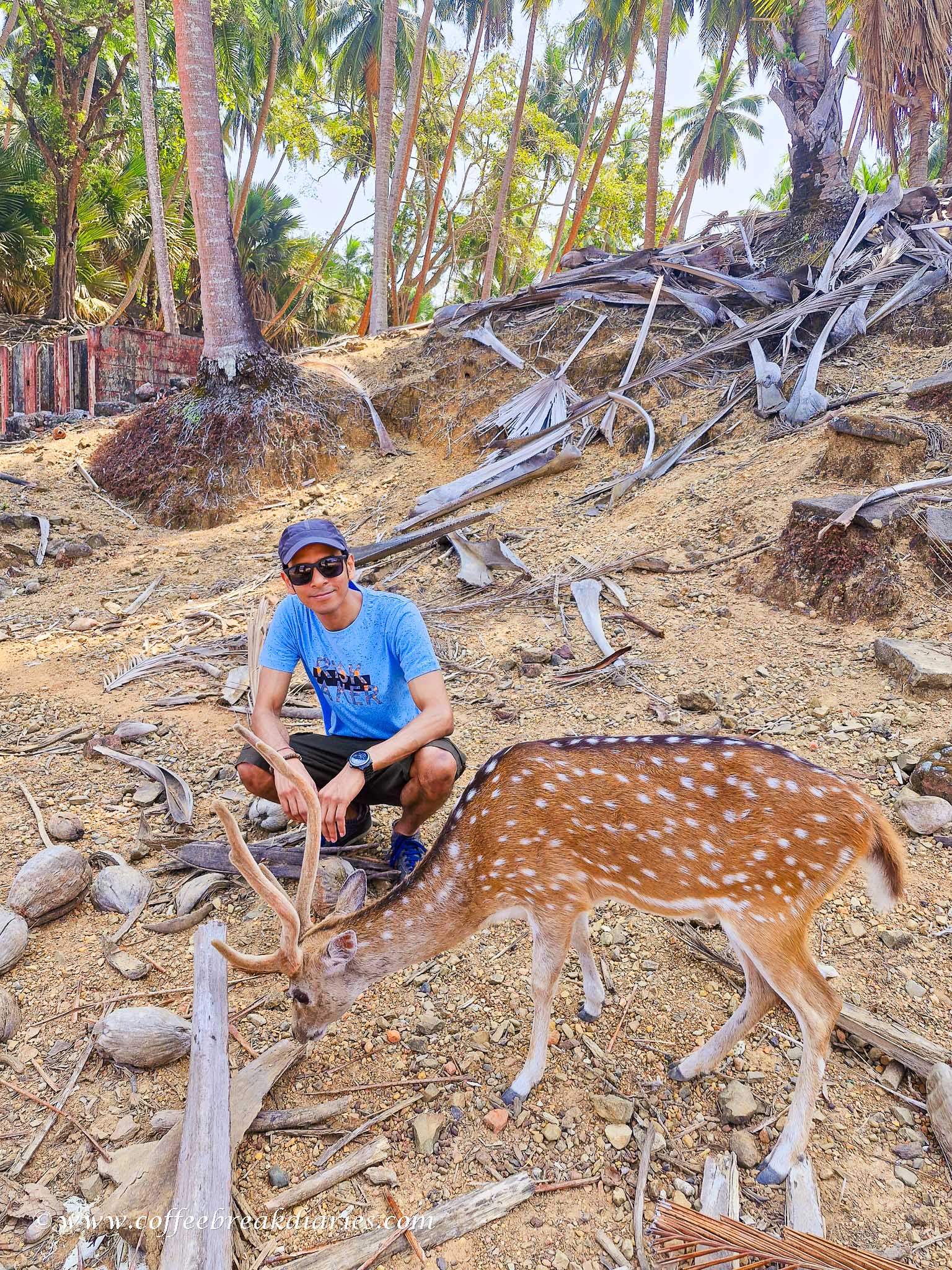
They wander the pathways the way old residents wander a familiar neighborhood—unhurried, unafraid, as if the island belongs entirely to them and the few humans who come are temporary guests. Their tawny bodies glow golden when the sun streams through the foliage, and when they approach you, it is with a soft, curious confidence.
Feeding them is allowed only in moderation—usually fresh leaves or island fodder purchased from local staff. There is something quietly intimate about the moment: a warm snout brushing your palm, liquid eyes lifting toward you as if in silent acknowledgement. It is an exchange measured not in excitement, but in stillness—a reminder that gentleness is its own form of grandeur.
Food on the Island: Simple, Local, and Well-Earned
Ross Island is not a place for elaborate meals; its charm lies in simplicity.
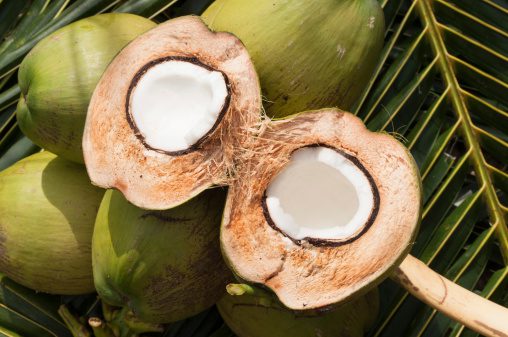
Near the jetty, a small cluster of kiosks offers fresh coconut water—cool, sweet, almost restorative after a walk through the sunlit ruins. There are light snacks: samosas warm from the pan, packaged biscuits, tender coconut slices, and occasionally, a plate of chaat prepared with island nonchalance. We chose one such kiosk for a simple but savoury meal of coconut water and pan dosa.
Most visitors return to the main islands (Port Blair or nearby North Bay) for fuller meals, but the food at Ross is more of an interlude than a destination: the kind of thing you enjoy sitting under a banyan tree while the sea murmurs just beyond the branches.
Walking Through Memory: The Island Experience
The beauty of Ross Island lies in its contrasts.
Massive roots coil around abandoned colonial buildings, wrapping them like careful, possessive fingers. Sunbeams filter through gaps in old church walls. A once-grand ballroom is now softened by moss. Strange, almost surreal juxtapositions emerge: a rusted bakery oven beside an emerald lawn; the skeleton of a printing press reclaimed by vines.
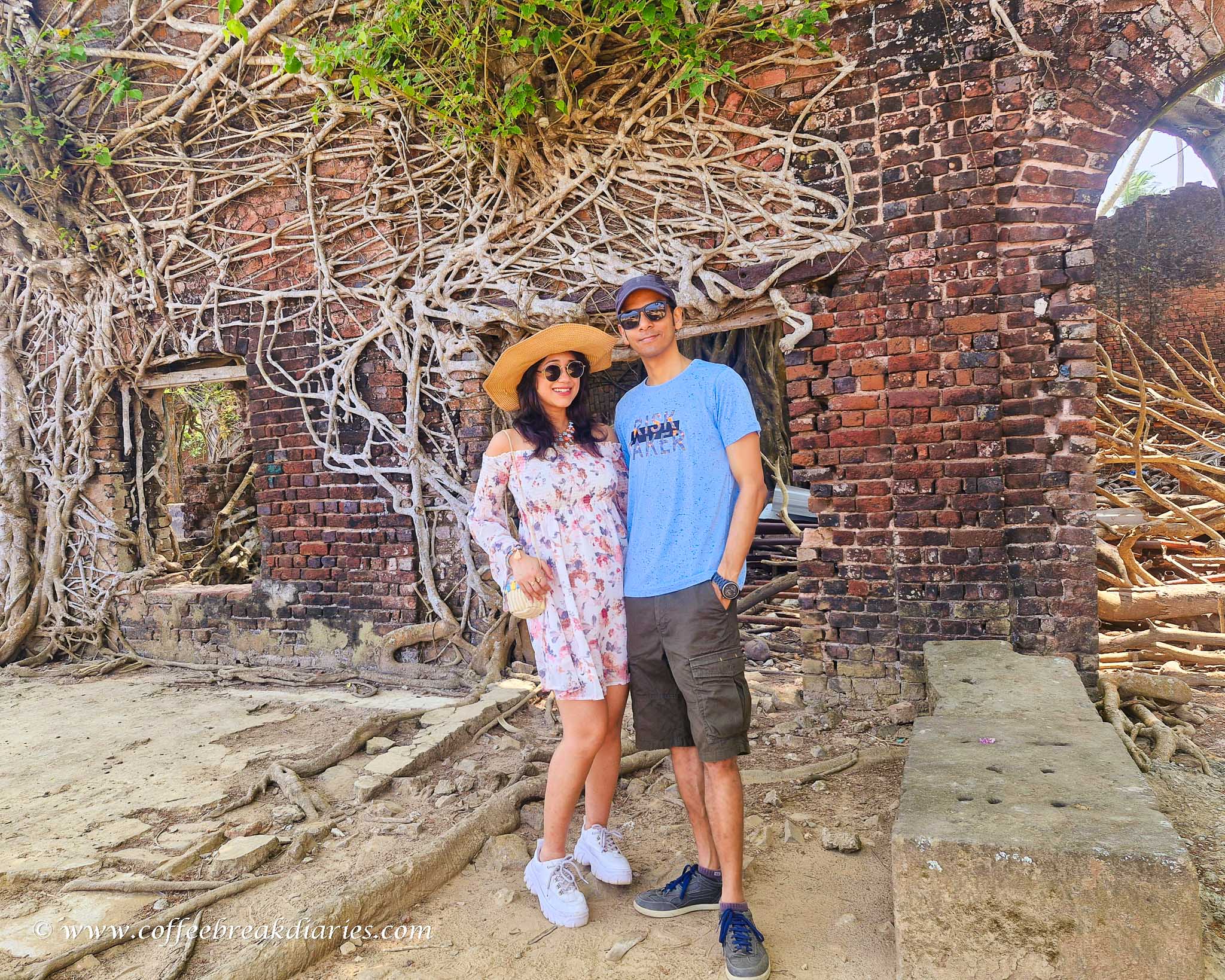
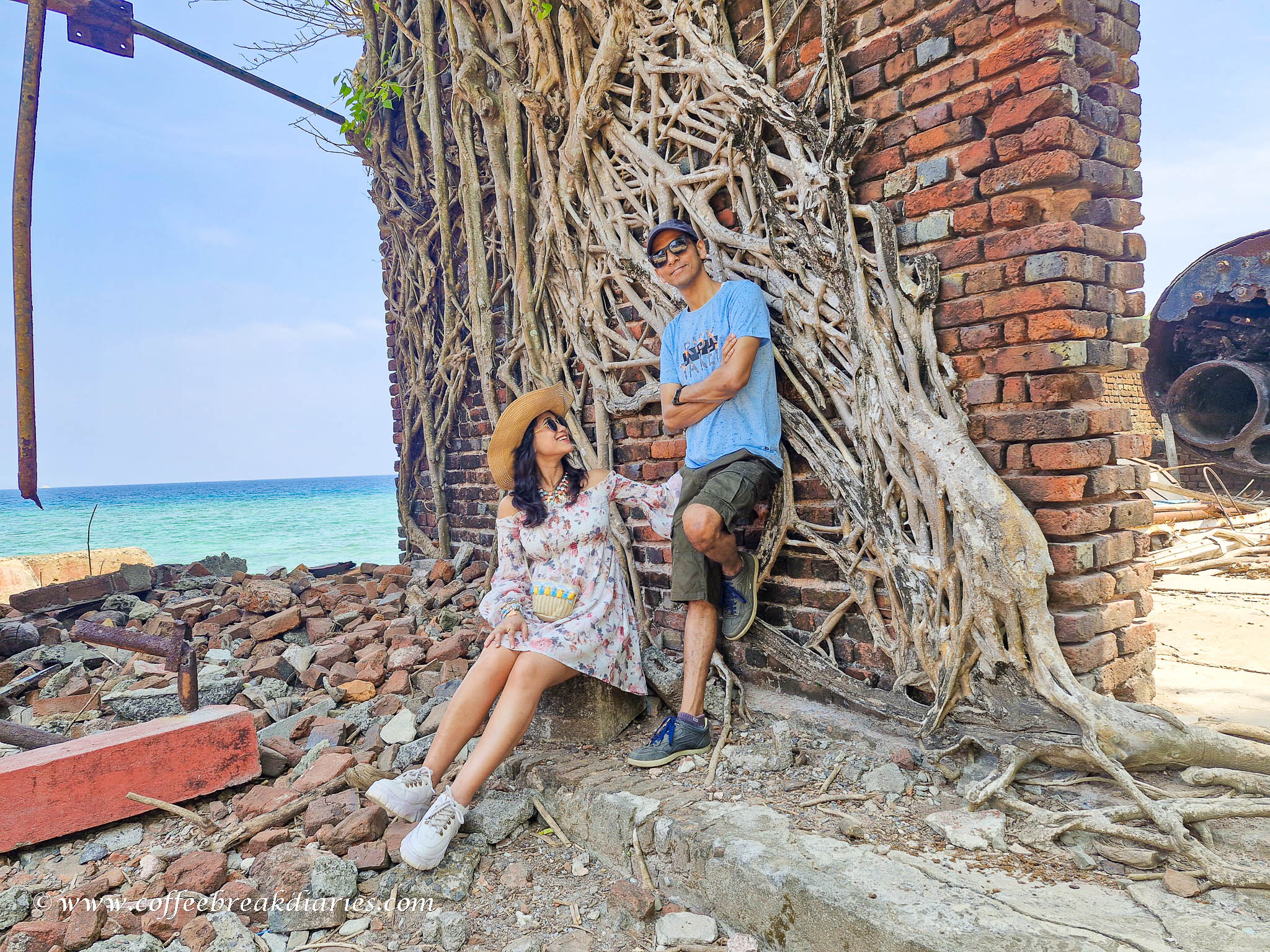
After clicking a couple of photos in the gorgeous backdrop, as we walked along, we heard the echo of peacocks calling, the rhythmic hush of waves, and—since we were early enough—the soft thud of deer hooves on leaf-strewn paths. Between the ruins and the wildlife, the island felt like a gallery where history and nature have collaborated for years on an ever-changing installation.
Takeaway: What the Island Leaves Within You
A morning on Ross Island is not defined by activities, but by atmosphere.
It teaches slowness.
It offers quiet companionship with creatures that trust easily.
It invites you to see beauty in things that endure and in things that have surrendered gracefully to time.
We left with a lightness—not the thrill of ticking off a place on a list, but the calm that comes from having spent a morning suspended gently between past and present, land and sea, silence and birdsong. Ross Island does not impress.
It lingers.